Latest posts
-
Tai Sui Talisman Guide for 2026 (Fire Horse Year)
Editorial note — This guide explains the Tai Sui (太岁) talisman in the Maoshan (茅山) tradition we follow, and sets out how the tradition frames the year 2026. Everything about zodiac clashes below is folk custom and 民间传统 belief — not science, not a forecast, and not a claim about your life. We make hand-drawn…
-
Health Blessing Fulu vs. Seeing a Doctor: Clear Boundaries

Editorial note — This article is direct about one thing first: a health blessing talisman is not a substitute for medical care. If you are unwell, see a qualified doctor or health professional before anything else. Below, we explain the health-and-longevity talismans we hand-draw in the Maoshan (茅山) tradition, and we are explicit about where…
-
Love Talisman Ethics: What He He Fulu Can and Cannot Do
Editorial note — This article explains the love-and-harmony talisman (合和符, he he fu) in the Maoshan (茅山) tradition we follow, and it sets one boundary without hedging. A talisman must never be used to control, bind, or manipulate another person. It is for your own state, your own clarity, and the harmony of a relationship…
-
Talisman Taboos: Respect, Privacy, and Disposal
Editorial note — This article explains the care customs and taboos (忌讳, ji hui) that surround a hand-drawn Taoist talisman in the Maoshan (茅山) tradition we follow. These are matters of respect and ritual etiquette, not of danger or hidden power. We describe how people treat their talismans; we do not claim that mishandling one…
-
Why Brush and Cinnabar Matter in Fulu Writing
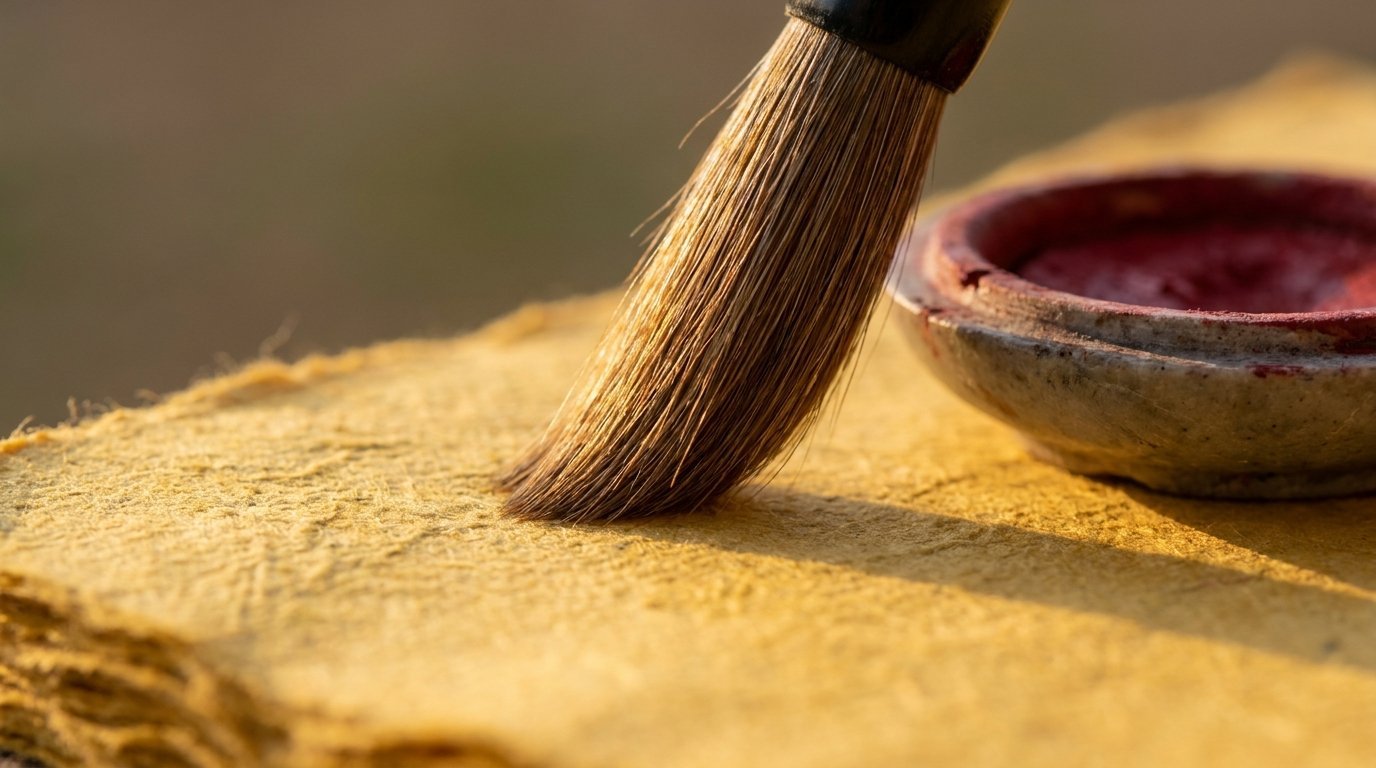
Editorial note · This article explains the materials behind a hand-written talisman — the brush, the cinnabar ink, and the paper — and why a lineage tradition treats them as part of the ritual rather than mere supplies. We describe craft and tradition as they are practiced. We do not claim that any material produces…
-
Wallet vs Wearing: How to Carry Your Taoist Talisman
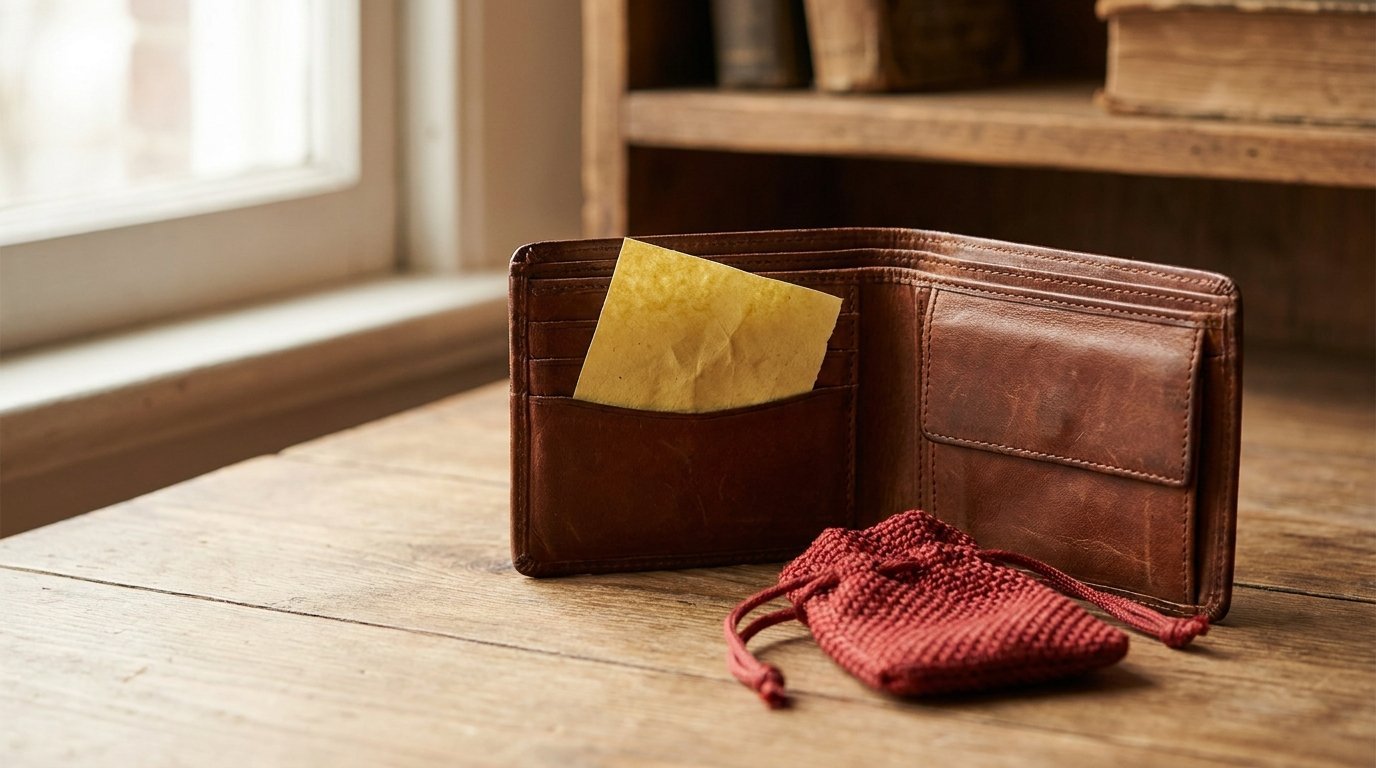
Editorial note · This guide covers the everyday logistics of carrying a Taoist talisman — in a wallet, against the body, or in a bag — and the handling habits that keep the paper intact. We explain the reasoning a lineage keeper would give, not a set of magical rules. A fulu is a ritual…
-
Why Taoist Priest Lineage Matters for Fulu
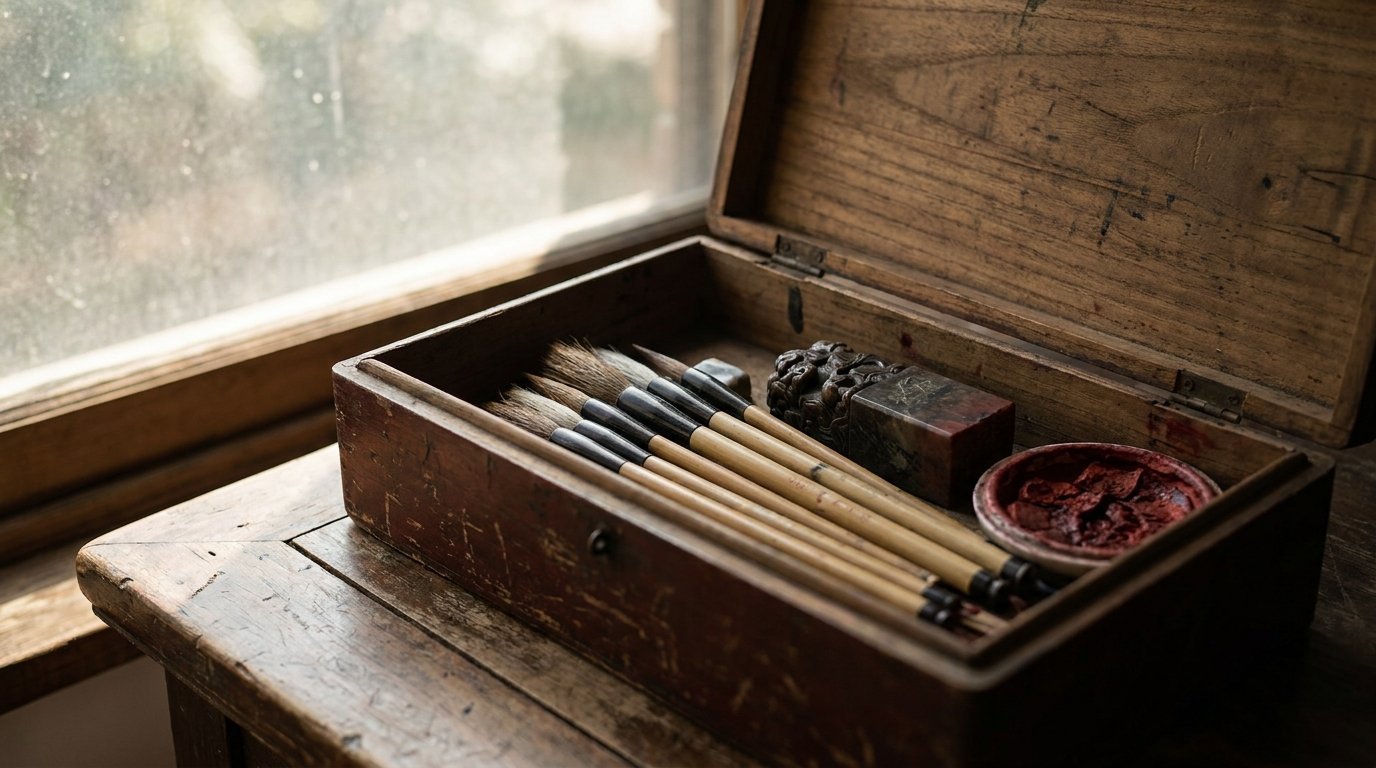
Editorial note — This article is about the person behind a talisman: what ordination means in Taoist practice, why the officiant’s line matters for a fulu, and what that does and does not guarantee. It is about authority and craft. It promises no outcome of any kind. Most discussions of talismans focus on the paper:…
-
5 Red Flags When Buying Taoist Talismans Online

Editorial note — This article lists five clear warning signs to look for when buying a Taoist talisman online, and explains the thinking behind each. It is written to help you shop carefully, not to criticise any particular seller. We are a seller ourselves, so read it with that in mind — and hold us…
-
Why Maoshan Lineage Matters for Talisman Buyers

Editorial note — This article explains what a lineage is in Taoist talisman work, what the Maoshan (茅山) tradition is, and why the line a talisman comes from changes what you are buying. It is about provenance and authenticity. It makes no claim that any lineage produces a particular result. “Lineage” is one of the…
-
Why a Written Consecration Record Matters for Online Orders
Editorial note — This article is about how consecration is documented for online talisman orders, why a written record is a stronger and more honest standard than a video clip, and how to check a record once you receive it. A record proves that a process took place. It does not guarantee an outcome, and…