Latest posts
-
Tai Sui Talisman Guide for 2026 (Fire Horse Year)
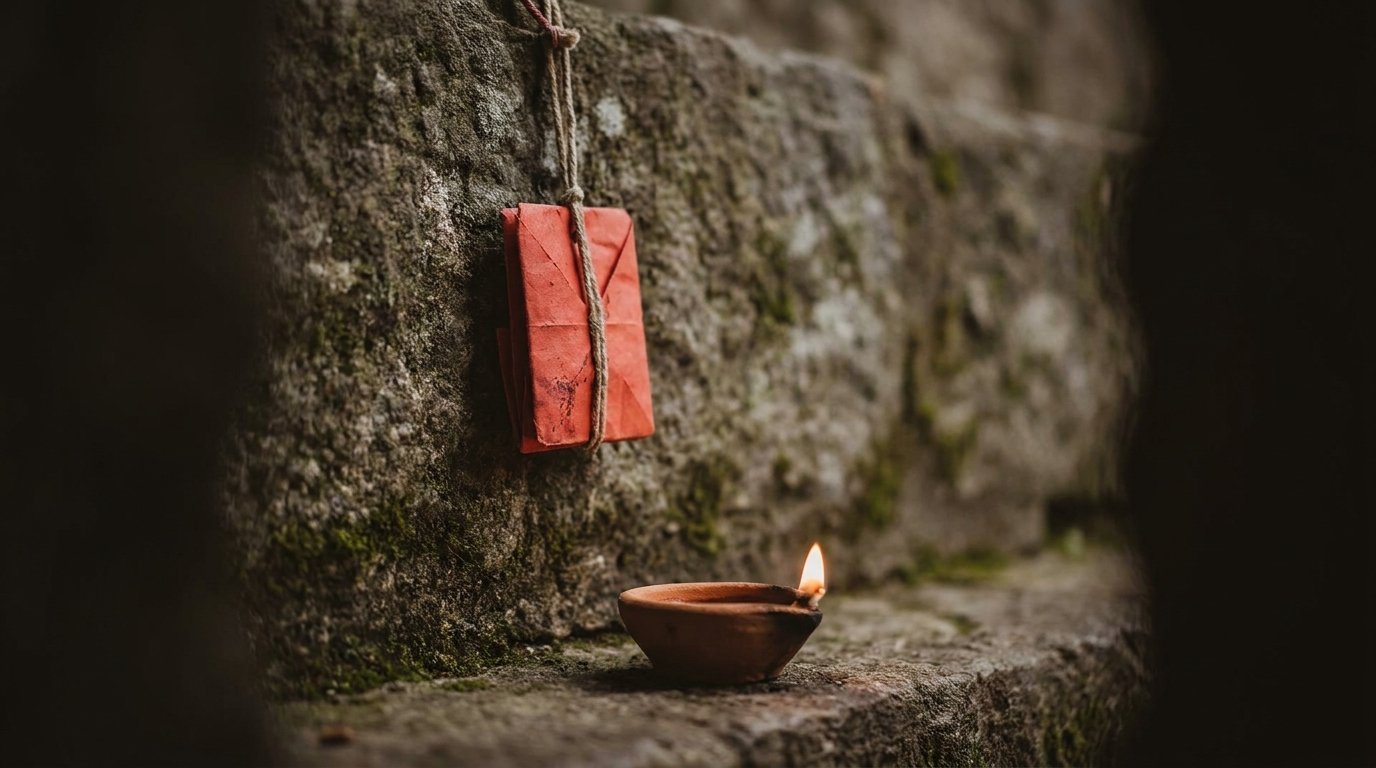
Editorial note — This guide explains the Tai Sui (太岁) talisman in the Maoshan (茅山) tradition we follow, and sets out how the tradition frames the year 2026. Everything about zodiac clashes below is folk custom and 民间传统 belief — not science, not a forecast, and not a claim about your life. We make hand-drawn…
-
Health Blessing Fulu vs. Seeing a Doctor: Clear Boundaries

Editorial note — This article is direct about one thing first: a health blessing talisman is not a substitute for medical care. If you are unwell, see a qualified doctor or health professional before anything else. Below, we explain the health-and-longevity talismans we hand-draw in the Maoshan (茅山) tradition, and we are explicit about where…
-
Love Talisman Ethics: What He He Fulu Can and Cannot Do
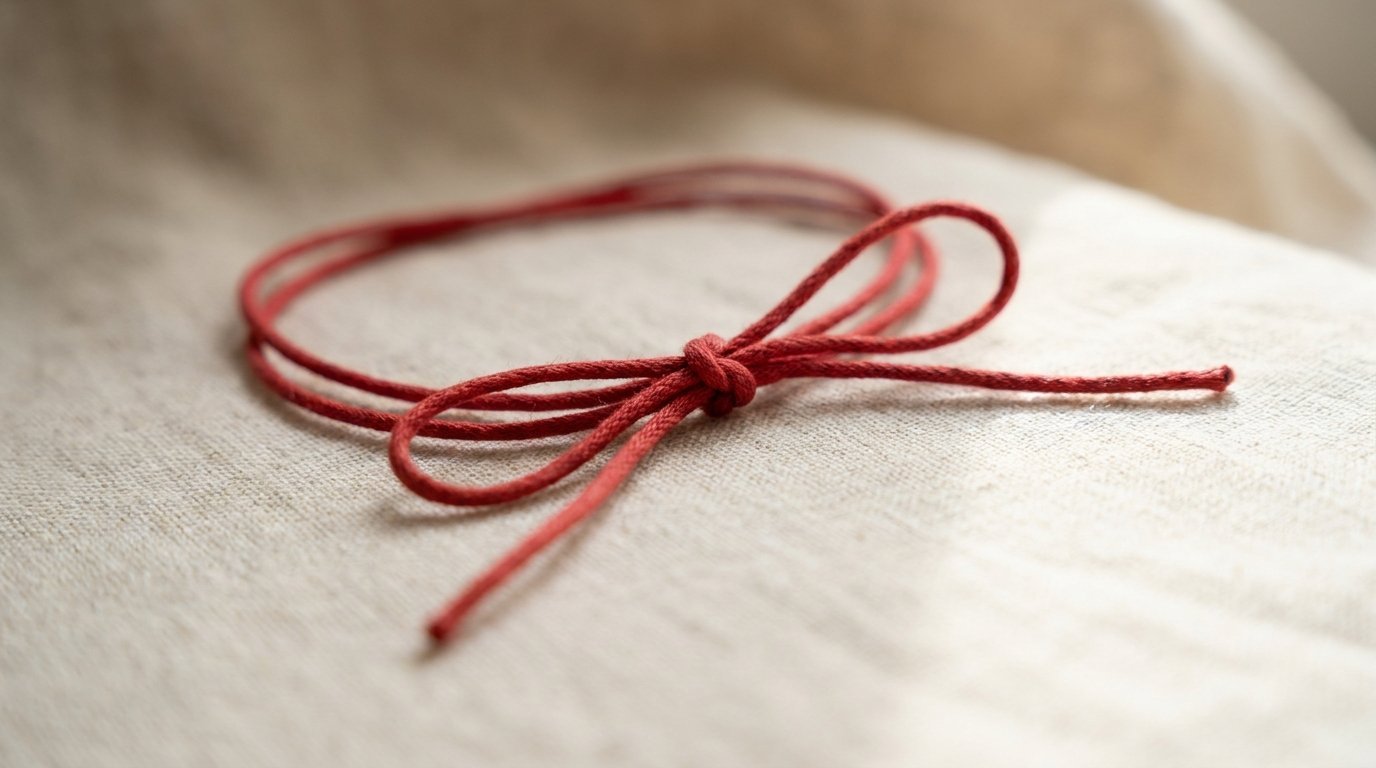
Editorial note — This article explains the love-and-harmony talisman (合和符, he he fu) in the Maoshan (茅山) tradition we follow, and it sets one boundary without hedging. A talisman must never be used to control, bind, or manipulate another person. It is for your own state, your own clarity, and the harmony of a relationship…
-
Taoist Home Altar Basics for Lay Seekers Abroad

Editorial note — This guide is for readers living in rented flats in the West who want a small Taoist home altar but cannot burn large incense or disturb neighbors. We describe the Maoshan (茅山) folk approach and the hand-drawn talismans we make. An altar is a place for attention and ritual; we make no…
-
Talisman Taboos: Respect, Privacy, and Disposal
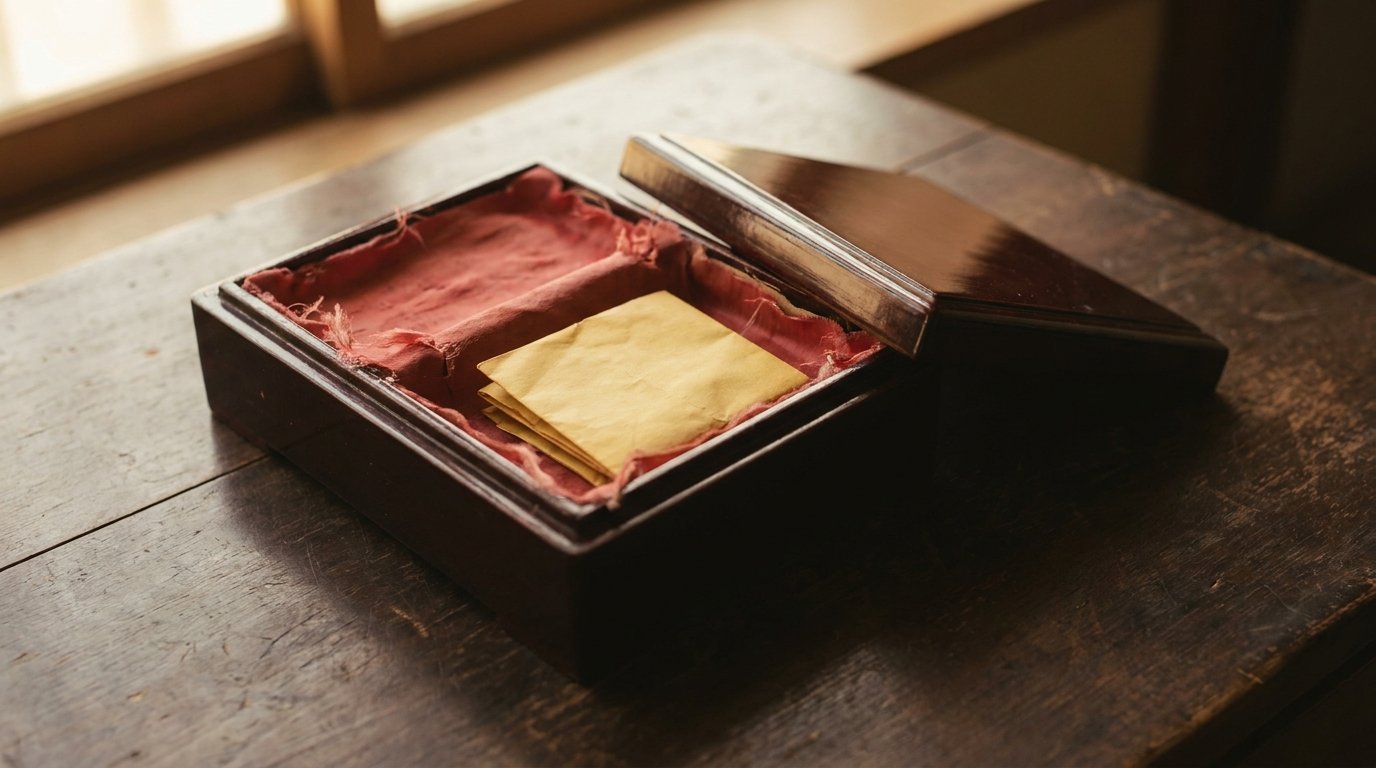
Editorial note — This article explains the care customs and taboos (忌讳, ji hui) that surround a hand-drawn Taoist talisman in the Maoshan (茅山) tradition we follow. These are matters of respect and ritual etiquette, not of danger or hidden power. We describe how people treat their talismans; we do not claim that mishandling one…
-
New Home Blessing Ceremony for International Movers

Editorial note — This guide covers a simple new-home blessing for people who have just moved abroad, often into a rented flat with no garden, no fireplace, and neighbors on every side. We describe the Maoshan (茅山) folk approach and the hand-drawn talismans we make; we do not promise that a ceremony changes your tenancy,…
-
Business Opening Blessing Ritual for Modern Entrepreneurship

Editorial note — This article explains how a business opening blessing (开张祈福, kai zhang qi fu — “opening prayers”) is approached in the Maoshan (茅山) talisman tradition we work within, and how a founder living abroad can adapt it to a home office, a co-working desk, or a rented studio. A blessing is a ritual…
-
Water Offerings in Taoist Blessing Ceremonies

Editorial note · This guide is about the doing of a water offering — which vessel to use, how much water, where to set it, and when to change it — inside a Taoist-style blessing ceremony. It is a practical walk-through, not a study of meaning. A water offering is a ritual gesture of intention;…
-
Incense Offering in Taoist Ritual: A Simple Guide
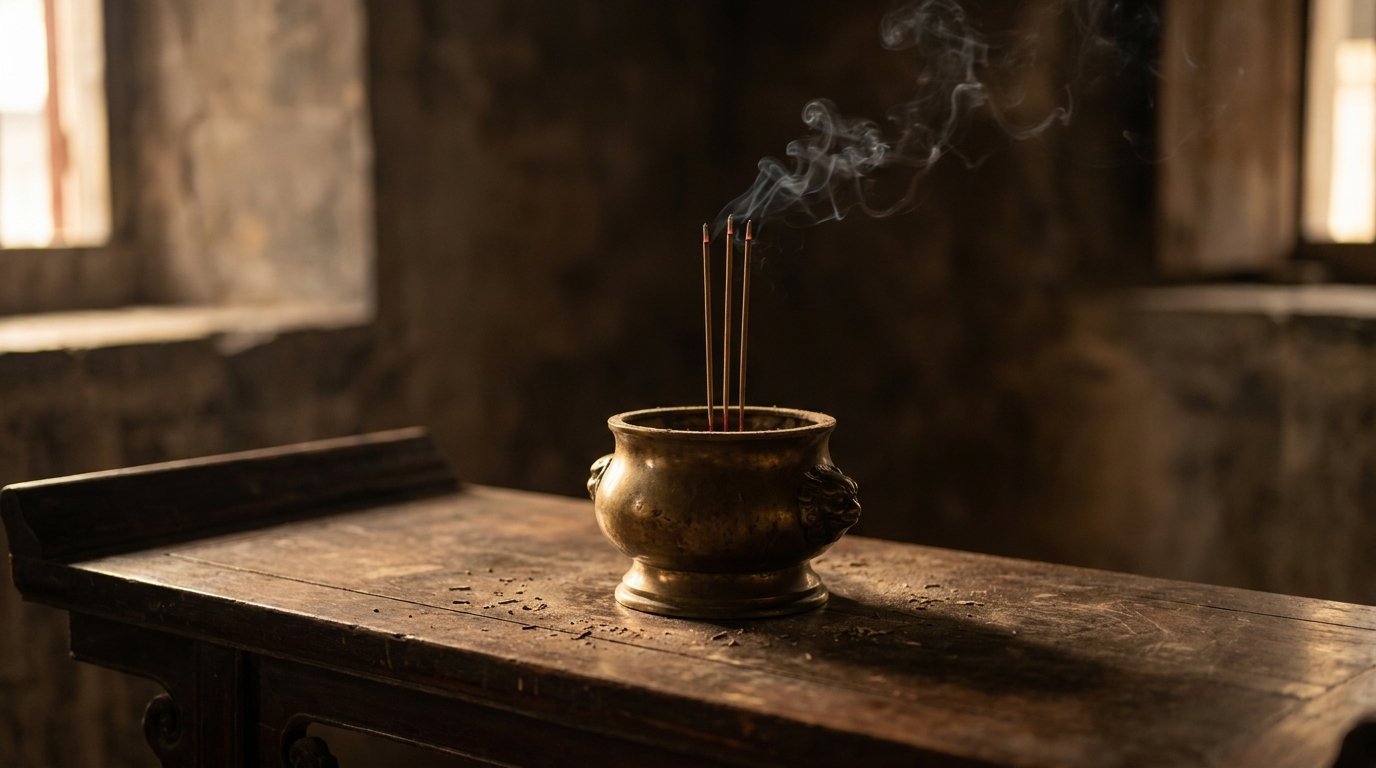
Editorial note · This is a plain, practical guide to offering incense — how many sticks, how to light them, how to hold them, and above all how to do it safely at home without filling a room with smoke. It describes a common ritual gesture, not a technique for producing an outcome. Nothing here…
-
Four Transformations (Si Hua) in Taoism: Beginner’s Guide

Editorial note · This article introduces si hua (四化), the “four transformations” you meet in Chinese metaphysical practice, and explains what each one means at a beginner level. It is an orientation to a technical tradition, not a reading of anyone’s chart. We do not predict outcomes or offer fortune-telling, and nothing here should be…